

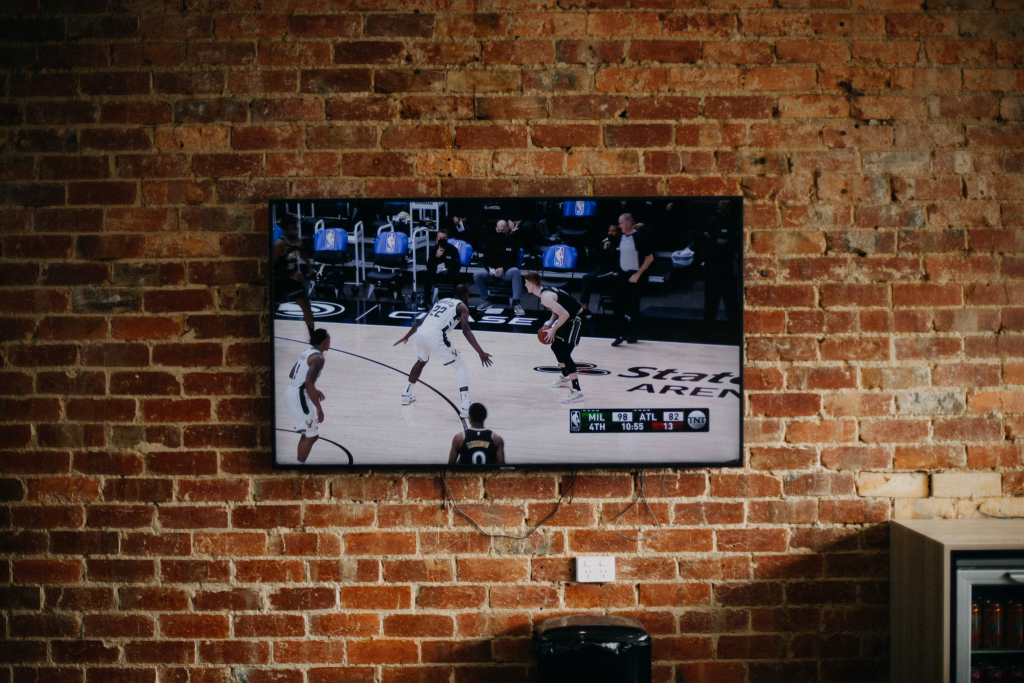
Traditional kickoff times once dictated weekend calendars; families centered furniture around a single television and waited for a studio host to announce line-ups. The arrival of high-bandwidth streaming apps, smart TVs, and pocket-sized data plans tore up that schedule. Fans now switch camera angles from a subway seat, jump between simultaneous fixtures on tablets, or watch condensed replays before breakfast. Analytics dashboards at spinfin confirm the upheaval: peak traffic for marquee matches no longer occurs only at whistle time but pulses across 24 hours as viewers tailor start points to personal routines.
From Appointment Viewing to Personal Playlists
Streaming unlocked pause, rewind, and multiscreen features that broadcast channels could not match. The shift removed fear of missing out, letting supporters treat live events like modular content rather than fixed broadcasts. A commuter might catch the first quarter on a phone, finish errands, then resume on a living-room projector without losing context. Cloud DVR bookmarks key plays automatically, so highlights merge seamlessly with real-time footage when the stream restarts.
Immediate conveniences that converted sceptics into streamers
- Tap-to-rewind buttons clarify controversial tackles without waiting for pundit replays.
- Picture-in-picture keeps scores visible during work email checks.
- Data-savvy bitrate controls prevent bill shock on limited mobile plans.
- Multi-language commentary feeds serve bilingual households instantly.
- On-screen xG and shot-map overlays give analytics fans tools once reserved for studio analysts.
Consumer expectation adjusted quickly. Buffering tolerance dropped from seconds to fractions as fibre and 5G networks spread. Platforms that failed to deliver crisp streams at kickoff faced subscriber churn, proving that reliability outranks novelty in a crowded marketplace.
New Rituals Replace Living-Room Monoculture
Multiple devices allow parallel experiences that fragment attention yet deepen engagement. A parent may stream the main broadcast on television while a teenager tracks fantasy points on a laptop and a sibling scrolls meme reactions on a phone. Conversation toggles between screens, blending live emotion with side-channel humour. The household still bonds over shared allegiance, but the focus hops platforms, creating a mosaic of micro-moments rather than a single narrative feed.
Office culture evolved too. Lunchtime highlight reels compress ninety minutes into eight, so coworkers debate goals between meetings. Smartwatch buzz alerts keep corner-kick anxiety alive for employees who cannot open video, sustaining community even inside notification-heavy environments.
Rights holders noticed and began staggering kickoffs to capture rolling audiences. Early Saturday fixtures target Asian primetime, midday matches grab European lunch breaks, and West Coast evenings keep North American fans awake. The resulting tap-to-watch flexibility grows global fandom for clubs that once struggled to reach beyond regional broadcast partners.
Platform Features Shape Spending Patterns
One-click microtransaction engines sell instant upgrades: multi-camera bundles, alternate commentary, or ad-free feeds. Payment friction shrank, so impulse buys rose. Limited-time merchandise drops embedded in halftime screens convert emotion into revenue before adrenaline fades. Integrated betting overlays let adult viewers place live wagers without leaving the app, increasing dwell time but also raising regulatory scrutiny.
Loyalty programs track minutes watched, rewarding marathon viewers with digital collectibles. Those tokens become profile badges on social media, turning time investment into visible status among peer groups. Sponsors lean on that gamified metric when negotiating jersey ads, linking exposure to verified watch hours rather than vague Nielsen estimates.
Long-term behavioural shifts traced to streaming convenience
- Fewer bar visits on cold evenings as reliable mobile streams replicate pub atmospheres through group chat.
- Surging sales of noise-canceling earbuds because commuters refuse to miss commentary on crowded trains.
- Increased gym treadmill use during matches, as pause freedom reduces fear of missing decisive moments.
- Decline in illegal streams when affordable single-match passes undercut piracy hassle.
- Growth in women’s and niche sports viewership after algorithms recommend high-quality feeds that linear TV ignored.
Challenges and Counter Moves
Latency remains the chief complaint. A neighbour’s cable cheer spoils a streaming goal ten seconds early, pushing some back to broadcast. Providers combat delay with edge computing nodes and multicast protocols, but full parity is elusive. Data caps threaten marathon tournaments, prompting adaptive codecs that hold HD quality under 3 Mbps. Accessibility advocates press for real-time captions and sign-language inserts to match inclusivity standards already met on terrestrial TV.
Streaming fragmentation also frustrates fans who juggle multiple subscriptions to follow different leagues. Aggregator apps respond by unifying sign-ins and surfacing universal search, but rights silos persist. Some consumers revert to highlights only, eroding live viewership for mid-table fixtures.
A Hybrid Future
Stadiums integrate 5G to stream exclusive locker-room angles to attendees, merging physical and digital experience. Broadcasters simulcast on legacy channels for latency purists while layering interactive widgets for streamers. Virtual reality courtside views remain experimental, yet early adopters report higher retention through immersive presence.
Whatever the technological evolution, the core outcome stands: streaming transformed live sports from a fixed appointment into an adaptive service that bends around consumer lifestyle. The industry now competes on customization, reliability, and social integration as much as on commentary talent or camera counts. In this new playbook, the winning platform is the one that fits into every break, commute, and living-room lineup without demanding viewers rearrange life to watch the game.
