

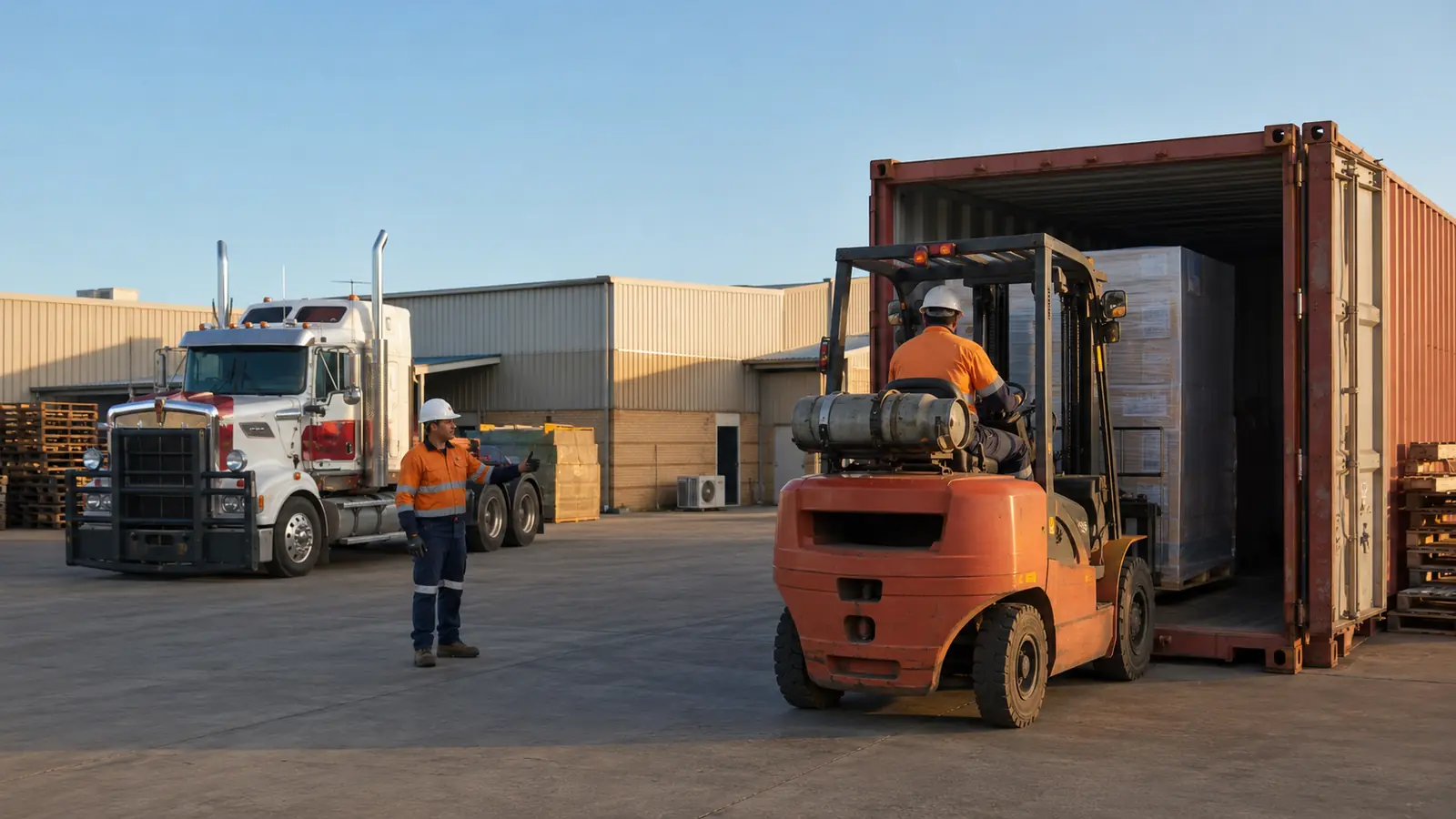
Sydney’s ports and logistics hubs handle an enormous volume of shipping containers every day, and getting the goods out safely and efficiently is one of the most critical steps in the supply chain. Whether you’re a business owner receiving stock, a warehouse manager, or a logistics coordinator, understanding how to approach container unloading in Sydney can save time, reduce costs, and prevent workplace injuries.
Why Safe and Efficient Unloading Matters
Container unloading isn’t just about getting cargo from point A to point B. Poorly managed unloading can lead to:
- Workplace injuries from manual handling, falling stock, or unstable loads
- Damaged goods, resulting in financial losses and unhappy clients
- Wasted time and demurrage fees if containers aren’t cleared within the allotted free time
- Compliance issues with WHS (Work Health and Safety) regulations
Given Sydney’s busy port schedules and tight delivery windows, having a streamlined process isn’t optional—it’s essential for staying competitive.
Common Challenges in Container Unloading
Businesses across Sydney often run into a few recurring problems:
- Tight access points – Many inner-city warehouses and retail sites have limited space for trucks and forklifts to maneuver.
- Mixed cargo types – A single container might hold palletized goods, loose cartons, and oversized items, each requiring different handling methods.
- Time pressure – Detention and demurrage charges mean containers need to be unloaded quickly once they arrive.
- Labor shortages – Skilled, reliable unloading crews aren’t always easy to find on short notice.
Best Practices for Safer, Faster Unloading
1. Plan Before the Container Arrives
Know what’s inside, how it’s packed, and what equipment or manpower you’ll need. A quick manifest review can prevent delays on the day.
2. Use the Right Equipment
Forklifts, pallet jacks, and conveyor systems can dramatically speed up unloading while reducing manual strain on workers. Match the equipment to the cargo type.
3. Train Your Team on Manual Handling
Even with machinery, some manual handling is unavoidable. Proper lifting techniques and awareness of container hazards (uneven flooring, shifted loads, sharp edges) go a long way in preventing injury.
4. Stick to a Clear Unloading Sequence
Unload systematically—usually from the door inward—to avoid destabilizing the remaining load. Random unloading increases the risk of items falling.
5. Inspect Before You Start
Check the container for structural damage, pest issues, or shifted cargo before anyone enters. This is a simple step that prevents a lot of accidents.
6. Partner with Experienced Professionals
For larger volumes or time-sensitive shipments, outsourcing to a specialist unloading service ensures the job is done quickly, safely, and in line with WHS standards—without tying up your own staff.
The Value of Professional Container Unloading Services
Many Sydney businesses are turning to dedicated unloading crews rather than relying solely on in-house staff. Professional teams bring:
- Trained personnel familiar with container-specific risks
- Proper equipment already on hand
- Faster turnaround to avoid demurrage fees
- Reduced liability and injury risk for your own employees
This is especially valuable for businesses handling frequent shipments or bulky, awkward cargo that requires specialized handling.
Final Thoughts
Efficient container unloading in Sydney comes down to preparation, the right equipment, trained personnel, and a clear process. Cutting corners might save a few minutes upfront, but it often costs far more in damaged goods, injuries, or delays down the line. Whether you manage unloading in-house or bring in outside help, prioritizing safety and efficiency will keep your supply chain running smoothly and your costs under control.
