

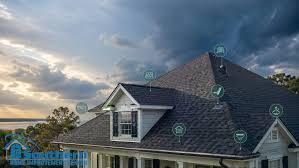
Storm season can be stressful for homeowners, especially when high winds, heavy rain, hail, and sudden temperature changes put pressure on the exterior of a house. While windows, siding, and landscaping often show obvious storm damage, the roof may hide problems that are harder to spot from the ground.
A strong roofing system helps protect the home’s structure, insulation, interior finishes, and belongings. By taking a proactive approach before and after severe weather, homeowners can reduce the risk of expensive repairs and make better decisions when roof damage does occur.
Why Storm Preparation Starts With the Roof
The roof is one of the most exposed parts of any home. It handles daily sunlight, heat, wind, rain, falling debris, and seasonal weather shifts. During storms, these forces become more intense.
Even a relatively small weakness can become a serious issue when water finds a way beneath shingles, flashing, vents, or roof edges. Once moisture enters the system, it can travel into the attic, walls, ceilings, and insulation before homeowners notice visible signs indoors.
Storm preparation is not about assuming every roof needs replacement. It is about understanding current roof condition and addressing vulnerable areas early.
Pre-Storm Roof Maintenance That Makes a Difference
Many homeowners only think about roof care after damage appears. However, simple maintenance before storm season can help reduce risk.
Important steps include:
- Cleaning gutters and downspouts so water can drain properly
- Removing branches, leaves, and debris from roof valleys
- Trimming trees that hang over the roofline
- Checking for loose, missing, or cracked shingles
- Inspecting attic spaces for signs of moisture or daylight
- Making sure flashing around chimneys, vents, and skylights is secure
- Confirming that roof ventilation is working properly
These tasks may seem small, but they can help prevent water from collecting, reduce impact damage from branches, and make it easier to identify new storm-related issues later.
The Role of Gutters and Drainage
Roofing and drainage systems work together. A well-built roof still depends on gutters and downspouts to move water away from the home efficiently.
When gutters are clogged, rainwater can back up along the roof edge. This may damage fascia boards, soffits, siding, and even foundation areas. During heavy storms, clogged drainage systems can overflow quickly and create problems that appear unrelated to the roof at first glance.
Homeowners should pay attention to:
- Water spilling over gutter edges
- Downspouts that drain too close to the foundation
- Sagging gutter sections
- Rust, cracks, or separation at seams
- Plants or debris growing inside gutters
Keeping drainage systems clear is one of the simplest ways to support roof performance during severe weather.
What to Look for After a Storm
After a major storm, homeowners should check for obvious warning signs without climbing onto the roof. Safety should always come first, especially when surfaces may be wet, unstable, or covered with debris.
From the ground, look for:
- Shingles in the yard
- Pieces of flashing or metal trim
- Dented gutters or vents
- Tree limbs resting on the roof
- Dark patches or exposed underlayment
- Granules collecting near downspouts
- Water stains on ceilings or attic surfaces
Not all damage is visible right away. Hail, for example, may weaken shingles without causing immediate leaks. Wind may lift materials enough to break seals while leaving the roof looking mostly intact.
When there is uncertainty, a professional inspection can provide a clearer picture.
Why Documentation Matters
Good documentation can be helpful if homeowners need to discuss damage with an insurance provider or contractor. This does not replace professional assessment, but it creates a useful record of what happened and when.
After severe weather, homeowners may want to note:
- The date and approximate time of the storm
- Photos of visible exterior damage
- Photos of interior water stains, if any
- Areas where debris or shingles were found
- Any temporary steps taken to prevent further damage
Homeowners should avoid making permanent repairs before damage has been properly evaluated, unless immediate action is needed to protect the property from additional water intrusion.
Repair or Replacement: How the Decision Is Made
Not every storm-damaged roof needs to be replaced. In some cases, targeted repairs may restore performance. In other situations, damage may be widespread enough that replacement is more practical.
Several factors influence the recommendation:
Age of the Roof
A newer roof with isolated damage may be a good candidate for repair. An older roof nearing the end of its useful life may not respond as well to patchwork repairs.
Extent of Damage
Damage limited to a small section is different from widespread shingle loss, hail impact, or underlayment exposure across multiple roof slopes.
Condition of Decking
If water has reached the roof decking, the project may require more than surface-level work. Soft, rotted, or compromised decking must be addressed before new materials are installed.
Ventilation and Flashing Condition
Storm repair can also reveal older problems with flashing, ventilation, or drainage that should be corrected to prevent future leaks.
Homeowners researching local repair standards and contractor expectations may find it helpful to review guidance from established roofing companies San Antonio residents often consider when evaluating storm-related roofing concerns.
Avoiding Common Storm Repair Mistakes
Severe weather often creates urgency. Unfortunately, rushed decisions can lead to poor outcomes.
Homeowners should be cautious about:
- Hiring someone without verifying insurance and credentials
- Accepting vague written estimates
- Ignoring attic damage after exterior repairs
- Choosing materials based only on the lowest price
- Overlooking ventilation and flashing details
- Delaying temporary protection when active leaks are present
A trustworthy roofing process should include clear communication, a written scope of work, material details, cleanup expectations, and warranty information.
Building a Long-Term Roof Care Plan
Storm readiness is easier when roof care becomes part of regular home maintenance. Instead of reacting only after damage, homeowners can create a yearly routine.
A practical roof care schedule might include:
- Spring inspection after winter weather
- Gutter cleaning before heavy rain periods
- Tree trimming before storm season
- Attic check during hot months
- Visual review after hail or high-wind events
- Professional inspection when warning signs appear
This approach helps homeowners understand their roof’s condition over time and identify changes before they become serious.
Conclusion
Storms are unpredictable, but roof care does not have to be. By preparing before severe weather, checking for damage afterward, and keeping drainage systems in good condition, homeowners can reduce the risk of costly surprises.
The best roofing decisions are usually made with clear information rather than panic. Regular maintenance, careful documentation, and professional evaluations when needed can help homeowners protect both their property and their peace of mind.
A durable roof is not just a construction feature. It is a long-term shield for the home, and treating it as part of an ongoing maintenance plan can make a meaningful difference year after year.