

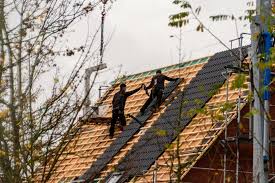
A roof does much more than complete the appearance of a home. It acts as the first line of defense against weather, moisture, heat, and debris throughout every season. Yet many homeowners only think about their roof when there is an obvious problem, such as a leak or missing shingles. By the time visible damage appears, repairs are often more expensive and disruptive than they would have been with preventive care.
Consistent roof maintenance can help homeowners avoid unnecessary expenses while preserving the structural integrity and value of their property. Whether a home is newly built or several decades old, understanding how roofing systems age and how to maintain them properly can make a major difference over time.
Why Roof Maintenance Matters More Than Many Homeowners Realize
Roofs are exposed to constant environmental stress. Rain, heat, humidity, wind, and seasonal storms gradually wear down roofing materials. Even high-quality roofing systems can deteriorate faster when small issues are ignored.
Routine maintenance offers several advantages:
- Helps identify small issues before they become major repairs
- Extends the lifespan of roofing materials
- Improves energy efficiency inside the home
- Protects insulation and interior structures from moisture damage
- Supports overall property value and curb appeal
A neglected roof can lead to hidden moisture problems, mold growth, damaged ceilings, and weakened structural components. Preventive maintenance reduces the likelihood of these costly outcomes.
Common Signs That a Roof Needs Attention
Homeowners often miss early warning signs because roof damage is not always visible from the ground. Learning what to watch for can help prevent more serious issues.
Damaged or Missing Shingles
Shingles that are cracked, curled, or missing entirely expose the underlying structure to moisture infiltration. Wind and heavy rain can quickly worsen the problem.
Water Stains Indoors
Brown stains on ceilings or walls may indicate roof leaks. Even a small leak can create long-term structural concerns if left unresolved.
Granule Loss
As asphalt shingles age, they may lose protective granules. Excess granules found in gutters often signal that the roof is approaching the later stages of its lifespan.
Sagging Areas
A sagging roofline may point to trapped moisture or weakened support structures. This issue should be inspected promptly to avoid more extensive damage.
Rising Energy Costs
Poor roof ventilation or damaged materials can affect indoor temperature regulation. When heating and cooling systems work harder, energy bills often increase.
The Role of Seasonal Inspections
One of the most effective ways to maintain a healthy roofing system is through seasonal inspections. Weather changes can impact roofing materials differently throughout the year.
Spring inspections help identify winter storm damage, while fall inspections prepare the roof for colder temperatures and increased rainfall. During inspections, professionals typically evaluate:
- Shingle condition
- Flashing around vents and chimneys
- Gutter performance
- Signs of water intrusion
- Roof ventilation
- Moss or algae growth
Many homeowners benefit from partnering with experienced local professionals who understand regional weather conditions and roofing challenges. For example, homeowners researching reliable solutions for roofing Peachtree City projects often prioritize companies familiar with local climate patterns and material performance.
How Proper Ventilation Supports Roof Longevity
Ventilation is one of the most overlooked components of roofing performance. Without proper airflow, heat and moisture can become trapped inside the attic.
Poor ventilation may contribute to:
- Premature shingle deterioration
- Mold and mildew growth
- Increased indoor humidity
- Warped decking materials
- Higher cooling costs during warmer months
A balanced ventilation system allows hot, moist air to exit while drawing in cooler outside air. This process helps stabilize attic temperatures and reduces unnecessary stress on roofing materials.
Choosing the Right Roofing Materials
Not all roofing materials perform the same way in every environment. Climate, home design, maintenance expectations, and budget all influence material selection.
Asphalt Shingles
Asphalt shingles remain one of the most popular roofing options because they are affordable, versatile, and relatively easy to install. Modern shingles are available in many colors and styles.
Metal Roofing
Metal roofing systems are known for durability and longevity. They can withstand severe weather conditions while reflecting heat more efficiently than some traditional materials.
Architectural Shingles
Architectural shingles offer enhanced visual appeal and improved durability compared to standard three-tab shingles. Many homeowners choose them for their dimensional appearance.
Energy-Efficient Roofing Options
Some roofing materials are designed to reflect sunlight and reduce heat absorption. These systems can contribute to lower cooling costs and improved comfort.
Selecting suitable materials involves balancing aesthetics, maintenance requirements, and long-term performance expectations.
The Importance of Gutters in Roof Protection
Gutters play a significant role in protecting both the roof and the foundation of a home. When gutters become clogged with leaves and debris, water can overflow and seep into vulnerable areas.
Proper gutter maintenance helps:
- Prevent water damage near the roof edge
- Reduce soil erosion around the foundation
- Minimize moisture exposure to siding and fascia boards
- Lower the risk of ice dams in colder seasons
- Improve overall drainage performance
Regular gutter cleaning should be part of every homeowner’s seasonal maintenance routine.
Preventive Maintenance vs. Emergency Repairs
Emergency roof repairs are often more stressful and expensive than preventive maintenance. Sudden leaks during storms can disrupt daily life and cause interior damage that extends beyond the roofing system itself.
Preventive maintenance allows homeowners to address concerns gradually and strategically. Small repairs, such as replacing damaged shingles or resealing flashing, typically cost far less than major structural restoration.
In addition to cost savings, proactive maintenance provides peace of mind. Homeowners can feel more confident knowing their property is better protected against changing weather conditions.
How Roofing Impacts Property Value
A well-maintained roof can significantly influence a home’s resale value. Potential buyers often pay close attention to roof condition because replacement costs can be substantial.
An aging or visibly damaged roof may:
- Lower buyer confidence
- Delay home sales
- Lead to reduced offers
- Trigger inspection concerns during closing
On the other hand, a roof that appears clean, durable, and professionally maintained contributes positively to curb appeal and overall property perception.
Homeowners considering future resale opportunities should view roof maintenance as a long-term investment rather than a short-term expense.
Building a Long-Term Roof Care Strategy
The best roofing outcomes typically come from consistency rather than reactive decision-making. Homeowners who establish a simple maintenance schedule often avoid many common roofing problems.
A practical roof care plan may include:
- Seasonal inspections
- Annual gutter cleaning
- Prompt repair of visible damage
- Monitoring attic ventilation
- Trimming nearby tree branches
- Scheduling professional evaluations after major storms
By addressing minor concerns early, homeowners can extend roof lifespan and reduce overall maintenance costs.
Conclusion
Roof maintenance is one of the most important yet overlooked aspects of protecting a home. From preventing leaks to improving energy efficiency and supporting property value, consistent care offers benefits that extend far beyond appearance alone.
Rather than waiting for major problems to emerge, homeowners who prioritize inspections, ventilation, gutter maintenance, and timely repairs are often better positioned to avoid costly surprises. A proactive approach not only protects the structure itself but also contributes to long-term comfort, safety, and financial stability.