

Vaping has grown in popularity over the past decade as an alternative to traditional smoking. Many people turn to e-cigarettes and disposable vapes because they believe they may be less harmful than combustible cigarettes. However, “less harmful” does not mean “harmless.” Like any activity involving inhaling substances, vaping carries risks, and using devices incorrectly can increase the chances of injury or long-term health issues. Understanding and following proper safety tips for vaping can help reduce these risks and create a safer experience.
1. Choose Reputable Devices and Brands
One of the most important safety tips for vaping is choosing high-quality devices from trusted manufacturers. Cheap, unregulated devices may have faulty batteries, poor wiring, or contaminated e-liquid. These factors can increase the risk of device malfunction, overheating, or exposure to unsafe substances.
Avoid buying counterfeit or unverified products from unreliable online sellers or unlicensed shops. Genuine products come with clear instructions, safety certifications, and proper labeling. For example, when purchasing high-capacity disposable devices such as a 12K vape, ensure it comes from a reputable brand and authorized retailer to reduce the risk of defects.
2. Understand Your Device Before Using It
Many accidents happen simply because users do not understand how their devices work. Every vape has specific operating instructions, charging limits, and safety features. Before using a new device, read the manual carefully.
Pay attention to recommended wattage, charging time, and temperature controls. Overusing or misusing features like high-power modes can cause overheating or device failure. Even disposable units like a 12K vape should be used according to the manufacturer’s guidance to prevent leaks, overheating, or battery strain.
3. Practice Battery Safety
Battery safety is one of the most critical aspects of safe vaping. Most vape devices use lithium-ion batteries, which can be dangerous if mishandled. To reduce the risk of battery-related incidents:
- Never expose batteries to extreme heat or cold.
- Avoid carrying loose batteries in your pocket with metal objects like keys or coins.
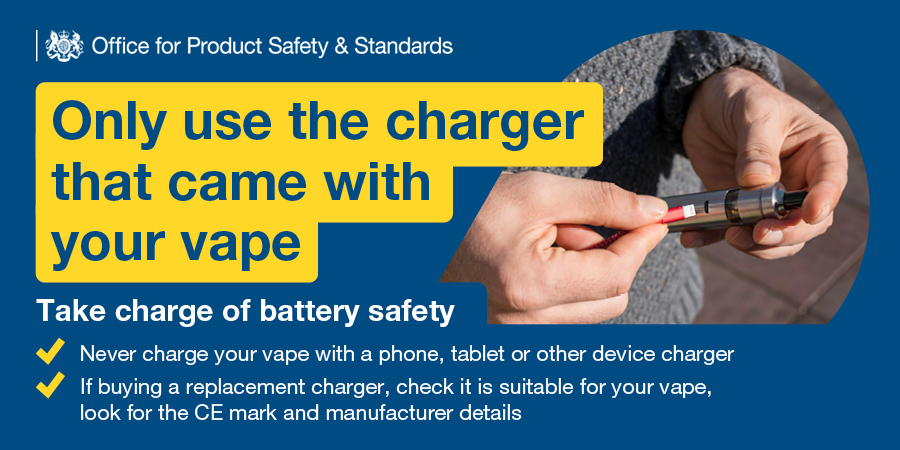
- Use only the recommended charger for your device.
- Do not overcharge or leave your device plugged in overnight.
If your device feels unusually hot while charging or in use, stop using it immediately. Battery failure is rare, but when it happens, it can be serious.
4. Use the Right E-Liquid
Not all e-liquids are created equal. Using low-quality or homemade liquids can introduce harmful chemicals into your body and damage your device. Always buy e-liquid from trustworthy manufacturers that list their ingredients clearly.
Check nicotine levels carefully. High-nicotine liquids may cause dizziness, nausea, headaches, and rapid heartbeat, especially in new users. If you are using devices designed for high-volume use, such as a 12K vape, be extra cautious about the nicotine strength to avoid overconsumption.
5. Avoid Modifying Your Device
Some users enjoy customizing their vape devices to increase vapor production or battery life. However, modifying a vape device can be dangerous if you do not fully understand electrical safety and battery limits. Changes to coils, batteries, or wiring can bypass built-in safety features.
Using parts not designed for your device can cause short circuits, overheating, and potential injury. For safety reasons, it is best to use only manufacturer-approved parts and avoid unauthorized modifications.
6. Keep Your Device Clean and Well-Maintained
Regular maintenance plays a key role in vaping safety. Residue from e-liquid can build up inside the mouthpiece and tank, potentially harboring bacteria or affecting vapor quality. Leaking e-liquid can also damage internal parts.
Clean the mouthpiece regularly using a soft cloth or alcohol wipe. For refillable devices, empty and rinse the tank periodically. While disposable options like a 12K vape require less maintenance, you should still keep the mouthpiece clean and ensure the device is not damaged or cracked.
7. Store Your Vape Properly
Safe storage is often overlooked. Always store your vape device in a cool, dry place away from direct sunlight. Avoid leaving it in cars for long periods, as high temperatures can damage the battery and increase the risk of malfunction.
Keep vape devices and e-liquids out of reach of children and pets. E-liquid, particularly with nicotine, can be toxic if swallowed or absorbed through the skin.
8. Be Mindful of Your Health
Self-monitoring is an important part of vaping safely. Pay attention to how your body reacts to vaping. Symptoms such as persistent coughing, chest discomfort, headaches, nausea, or shortness of breath should not be ignored.
If you experience severe or ongoing symptoms, consider stopping vaping and consulting a healthcare professional. Remember that even though vaping may be marketed as safer than smoking, it can still have negative health effects, especially with long-term use.
9. Avoid Chain Vaping
Chain vaping, or taking continuous puffs without breaks, can cause your device to overheat and can also lead to nicotine overexposure. High-capacity devices like a 12K vape can deliver a large number of puffs, which may encourage longer use sessions. Take regular breaks between puffs to allow the coil and battery to cool down and to monitor your nicotine intake.
10. Know the Legal and Social Rules
Another safety consideration is being aware of local laws and social guidelines regarding vaping. Many public areas restrict or ban vaping. Obeying these rules not only helps avoid legal trouble but also protects others from secondhand aerosol exposure, especially in enclosed or crowded spaces.
11. Dispose of Devices Responsibly
Proper disposal is a key but often forgotten safety tip. Vape devices, especially those with lithium batteries like disposable or high-capacity units, should not be thrown in regular household trash in many areas. Look for electronic waste or battery recycling programs in your community to safely dispose of used devices such as a 12K vape.
12. Treat Vaping as a Harm-Reduction Tool, Not a Habit
For many people, vaping is intended as a smoking cessation or harm-reduction tool. However, it can easily become a long-term habit if not used mindfully. Set personal limits on how often and how much you vape. Track your usage patterns and be honest with yourself about dependence.
The ultimate goal should be to reduce overall nicotine dependence where possible, rather than simply replacing one long-term habit with another.
Conclusion
While vaping may offer an alternative to traditional smoking, it is not completely risk-free. Safety lies in making informed choices, using high-quality devices, handling batteries carefully, and listening to your body. Whether you are using a refillable vape kit or a high-capacity disposable option like a 12K vape, following basic safety practices can significantly lower your risk of accidents and health issues. Being responsible, educated, and cautious can help ensure that if you choose to vape, you do so in the safest way possible.
