

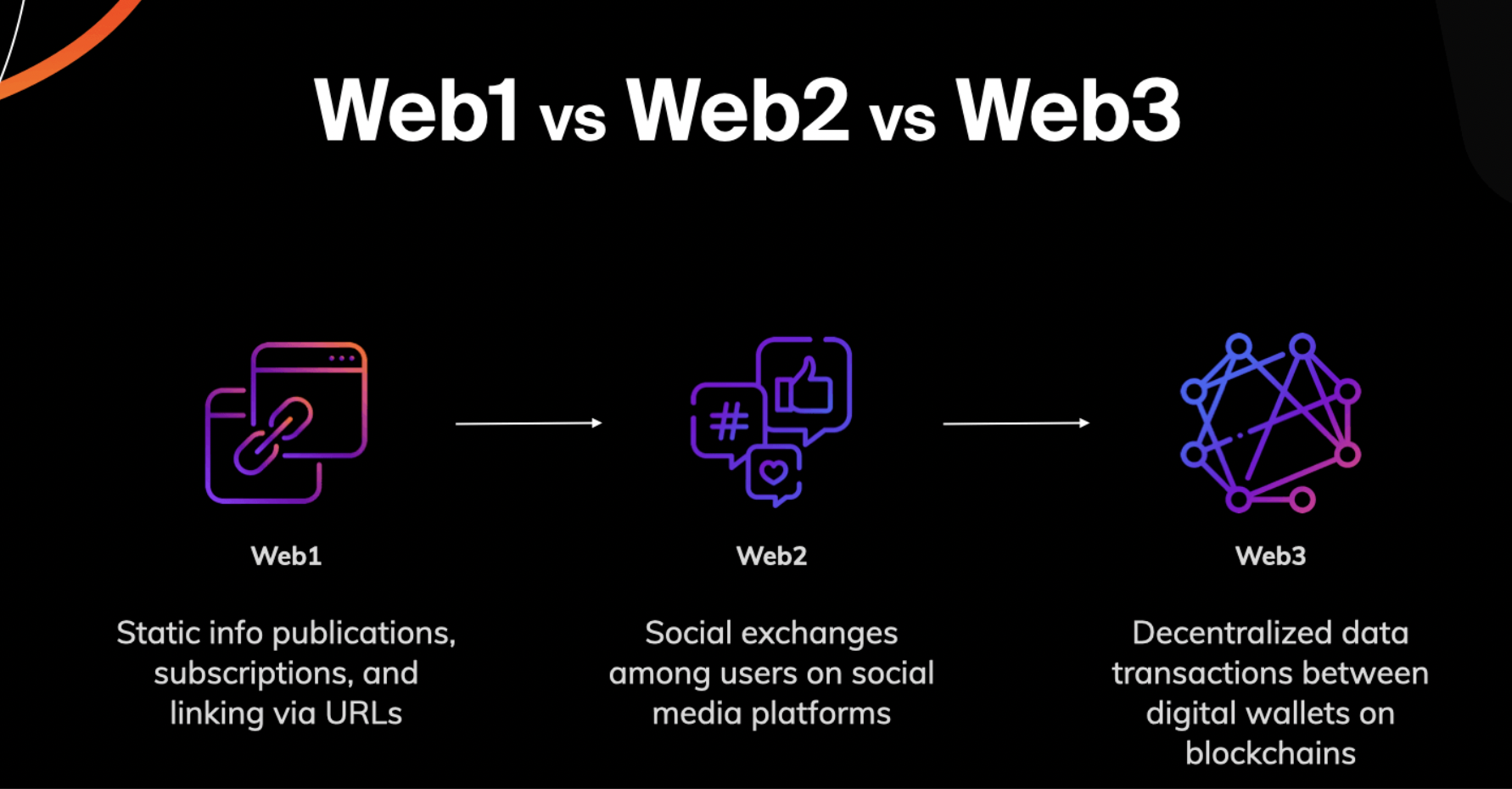
As digital gaming evolves, the world of online slots is undergoing a fundamental transformation. The emergence of decentralized technologies has given rise to Web3 slots, a next-generation model that contrasts sharply with traditional Web2 slots. These differences go beyond aesthetics—they reflect a shift in control, transparency, and the relationship between players and platforms.
What Are Web2 Slots?
Web2 slots are the conventional online slot games hosted on centralized servers. They are owned and operated by online casinos or gaming companies, where all game logic, player data, and payout mechanisms are managed by the operator. While they offer high-quality graphics and diverse themes, players have no control over game outcomes or asset ownership.
What Are Web3 Slots?
Web3 slots are blockchain-powered games that emphasize decentralization and transparency. Built on smart contracts, these games allow users to verify results independently, often enabling true ownership of in-game items through Non-Fungible Tokens (NFTs). The control of assets and sometimes even parts of the game’s logic shifts from corporations to players or communities.
In emerging gaming ecosystems, platforms like UFA747 are beginning to explore the integration of decentralized features within their slot offerings. These platforms recognize the potential of Web3 slots to provide players with verifiable outcomes and reward ownership. By bridging traditional entertainment with blockchain infrastructure, platforms gain a competitive edge while embracing user trust, security, and innovation.
Ownership: Centralized vs Decentralized Assets
Web2 Slot Ownership
In Web2 slots, all digital assets—whether coins, bonus spins, or progress—are stored and controlled by the platform. If the provider decides to close an account or shut down a game, users lose access to everything.
Web3 Slot Ownership
Web3 slots revolutionize ownership. Players can acquire tokenized items or characters (often NFTs) that they truly own, stored in digital wallets. These can be traded, sold, or used across compatible games, offering both value and permanence.
Transparency and Trust
A major pain point in Web2 slots is the lack of transparency. Random Number Generators (RNGs) operate behind closed systems, requiring players to trust the operator’s integrity. In contrast, Web3 slots use smart contracts on public blockchains, making gameplay rules, RTP (Return to Player), and outcomes verifiable by anyone.
Several คาสิโนออนไลน์ ปลอดภัย are now researching hybrid models that combine the trusted interfaces of Web2 slots with the technological transparency of Web3 systems. By referencing smart contracts or even integrating token-based bonuses, these platforms aim to create gaming environments where players feel both entertained and empowered—paving the way for responsible innovation and user-controlled rewards.
Payout and Reward Systems
Web2 slots offer fixed payout mechanisms controlled by the operator. Bonuses and progressions are based on pre-set algorithms that remain unchangeable to the player.
Web3 slots, however, often feature dynamic payout models. Rewards may include cryptocurrencies, tradable NFTs, or access to new gaming ecosystems. Since rewards are stored on-chain, players can withdraw, exchange, or utilize them outside the game environment.
Community Governance and Game Evolution
One of the most disruptive innovations in Web3 gaming is decentralized governance. Some Web3 slot projects allow token holders to vote on game updates, reward structures, or new feature rollouts. Web2 slots offer no such influence—players consume what developers create without participatory input.
Technical Access and Barriers
While Web2 slots require just a browser and user registration, Web3 slots demand additional setup, such as connecting a crypto wallet, acquiring tokens for gas fees, and understanding blockchain basics. Although this adds friction, it also ensures users interact with systems where they control their data and rewards.
Regulation and Compliance
Web2 casinos operate under strict gambling licenses that enforce fair play and consumer protections. However, they also involve user data collection and centralized control.
Web3 slot environments, being decentralized, often face legal gray areas. While blockchain provides fairness through transparency, regulatory frameworks are still evolving, and consumer protections can vary significantly by jurisdiction.
Cross-Game Asset Interoperability
Web2 slot items are locked within a game or provider’s ecosystem. You can’t use a bonus earned in one game across another platform.
Web3 slots, on the other hand, are often built with interoperability in mind. Assets such as NFT reels, character tokens, or utility items may be portable across multiple games or even platforms—especially when built on open blockchain standards like Ethereum or BNB Chain.
Monetization and Play-to-Earn Models
Traditional Web2 slots monetize through player losses and in-game purchases. While promotional bonuses exist, there’s no path for most players to derive actual value beyond entertainment.
Web3 slot games often adopt play-to-earn or stake-to-play models. Players can earn crypto or digital assets that retain real-world value. This model turns gameplay into a potential income stream while introducing sustainability concerns and economic balancing challenges.
Challenges in Web3 Slot Adoption
Despite numerous advantages, Web3 slots face adoption hurdles:
- Technical Complexity: Wallets, tokens, and smart contracts require user education.
- Gas Fees: Blockchain networks sometimes charge high fees for transactions.
- Scalability: Many chains struggle with congestion, affecting user experience.
- Trustworthy Development: Open-source code doesn’t guarantee fairness unless regularly audited.
Final Thoughts
The contrast between Web2 and Web3 slots is rooted in ownership, transparency, and control. Web2 offers convenience and polish, but lacks true user empowerment. Web3 introduces decentralized gaming with the promise of player-owned assets, open-source logic, and economic participation. As these two models continue to evolve, the future of slot gaming will likely blend both worlds—creating experiences that are both engaging and transparent, secure and flexible.
